All Categories
Featured
You're at a tipping point: fast technology adoption, moving abilities, and new expectations are forcing you to reconsider how your company produces worth through individuals. Worldwide Skill Patterns 2026 provides you a dataled, useful view of the labor force patterns shaping your decisionsdrawn from a global study of nearly 12,000 executives, HR leaders, employees, and investors throughout 16 locations and 16 industriesand shows you: How peers are revamping work to mix human ability with automation What AI in the office appears like How to prepare for the AI future of work Which future-fit abilities to establish How to sharpen your employee value proposition to drive efficiency.
The authors are grateful to Karen Pastakia, Kate Sweeney, Simona Spelman, Bill Briggs, and Nitin Mittal for their time, input, and consistent partnership throughout this effort. Special thanks to Catherine Gergen for her dependable research study assistance and coordination in writing this Introduction. A special note of acknowledgment is scheduled for Ishani Purohit and Olivia Rueger, whose stable task management stewardship over the past year managed every moving piece of this reportfrom early planning through final productionkeeping the team lined up, momentum strong, and execution smooth.
The authors extend thanks to the REM teamMatt Deruntz, Maria Neira, Qiaoli Wang, Manshreya Grover, Nirupam Datta, Charu Ratnu, Santhosh Naidu, Derek Taylor, Marcella Hines, Parag Zalpuri, Chris Tomke, and Luly Castillerofor their unfaltering partnership and behind-the-scenes execution that kept the work moving from draft to shipment. The authors likewise acknowledge the Deloitte Insights teamCorrie Commisso, Hannah Bachman, Annalyn Kurtz, Alexis Werbeck, Jim Slatton, Govindh Raj, and Molly Piersol, and the data visualization team, whose editorial rigor, storytelling craft, and visual clarity sharpened the narrative and brought the insights to life.
Thank you to the Global Human Capital executive teamKate Sweeney, Kate Morican, Amanda Flouch, Nathalie Vandaele, Jodi Baker Calamai, Dheeraj Sharma, Franz Gilbert, Karen Pastakia, Simona Spelman, Yasushi Muranaka, Tom Alstein, Sebastian Pfeifle, John Brownridge, Kurt Proctor-Parker, Pat Shannon, Andrew Potts, Dahlia Katz, Ava Damri, Kelly Nelson, Joan Pere Salom, Gerhard Botha, and Stuart Scotisfor sponsoring and supporting the international reach of this report.
Regulatory Forecast: Adapting GCCs to New Labor Standards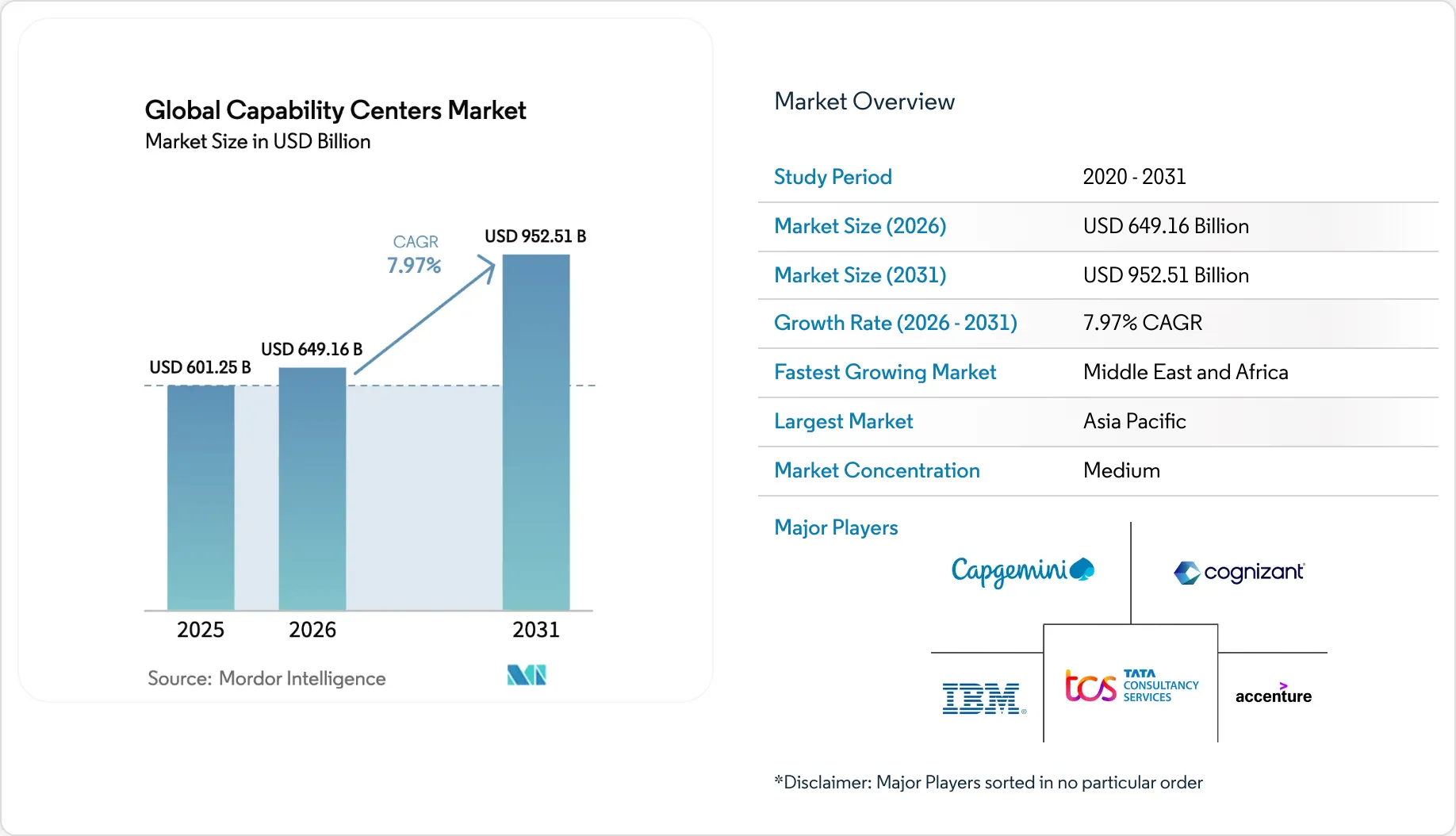
The authors likewise extend sincere thanks to the customers who kindly shared their time and experiences through interviews performed for this report. Their candid insights and point of views improved our exploration, grounded the thoughtful analysis in real-world truths, and reinforced the importance and usefulness of the findings. Thank you to Lara Martinez Gonzalez, global director of talent intelligence, AstraZeneca; Michelle Robertson, executive board member (worldwide human resources, people and culture), Adidas; Emily Bacon, senior supervisor, company and individuals technique, Adobe; Zac Parris, former director of organizational efficiency, Atlassian; Taeko Kawano, executive officer and chief human resources officer, AXA; Justin Zaccaria, primary personnels officer, Bechtel; Matt Schuyler, chief people officer, Creative Artists Agency (CAA); Megan Bazan, vice president of individuals, Cisco; Charlotte Wolf Tarfa, vice president, worldwide talent technique and succession, Coca-Cola; Melissa Collier, director, change leadership, Georgia-Pacific; Elise Bathurst, director of people operations, Google; Courtney Gilliland, senior director, United States human resources, Gordon Food Service; Lindsey Taylor, senior director, strategic labor force planning and people analytics, Hewlett Packard Enterprise; Marcia Oglen, senior vice president, enterprise personnels, Highmark Health; Jon Pitts, founder and chief technical officer, Ihp Analytics; Reiko Mukai, chief human resources officer, MetLife Japan; Charlotte Simpson, business officer and head of people and company, Novartis Japan; Heather Neville, senior vice president, individuals and locations strategy and operations, Sony Interactive Home Entertainment; Jill Larsen, primary individuals officer, Synopsys; Niki Rose, workforce experience and capability executive, Telstra; Tomoko Adachi, global chief human resources officer, Terumo Corporation; and Michael Ehret, senior vice president and chief people officer, Walmart International.
Evolution of the GCC America Strategy in 2026
CEO expectations for AI-driven development stay high in 2026at the exact same time their workforces are grappling with the more sober truth of present AI performance. Gartner research finds that just one in 50 AI investments provide transformational value, and just one in five provides any quantifiable return on investment.
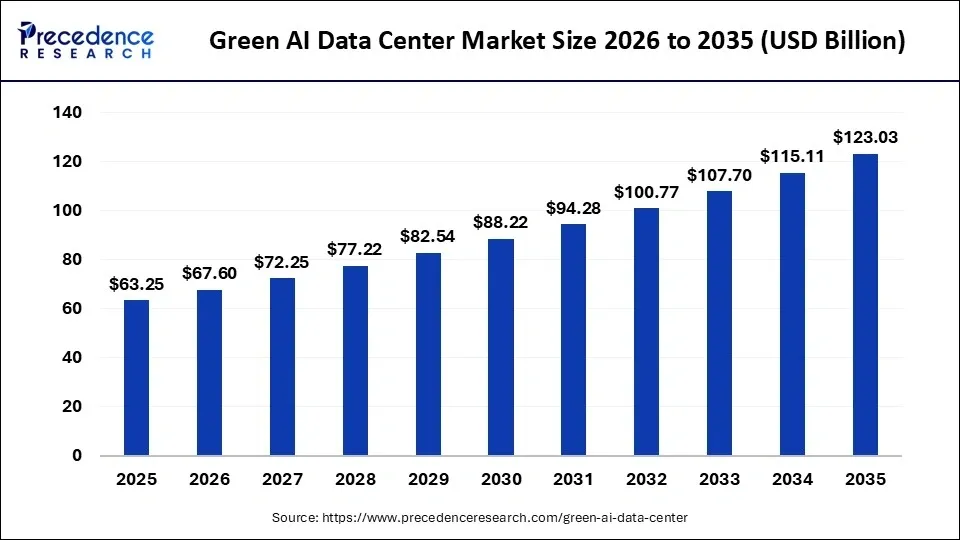
AI has the possible to lead to major shifts in how we work with and who we hire. As AI progressively handles the less complex, more repeatable jobs being done by the labor force, business will require to employ talent who have wider, uniquely human skills. We're seeing increasing need for skills like analytical, adaptability, and partnership abilities that stimulate organizational dexterity.

Latest Posts
How to Coordinate Remote Talent to Growth
Understanding Global Law Shifts On 2026 Strategy
Offshore Vs Nearshore: Analyzing the Best 2026 Approach