All Categories
Featured
Table of Contents
Leadership groups stop working to broaden their operations due to the fact that they do not possess enough experience. The system stops working since its built-in structure produces situations which compromise its ability to hold individuals accountable for their actions.
Organizations can take immediate action through interim leadership while this structure secures them from making enduring options before they are ready. The system allows corporate decision-making to link with the local-level execution of these decisions.
The system permits services to expand through several regulated phases rather of requiring them to make a total all-or-nothing financial investment. An effective expansion requires an operating system which allows quick management of far-off sites and intricate organization circumstances.
Responsibility requires to exist as a single entity. The evaluation procedure for the core organization requires to operate at a quicker pace than the evaluation procedure for the core service. Performance signs require to reveal actions which organizations can manage rather of utilizing outcomes which occur after the fact. Organizations which attempt to expand their present operating design across various areas through standard extension will find that their main operations stop working to keep success when operating from far-off places.
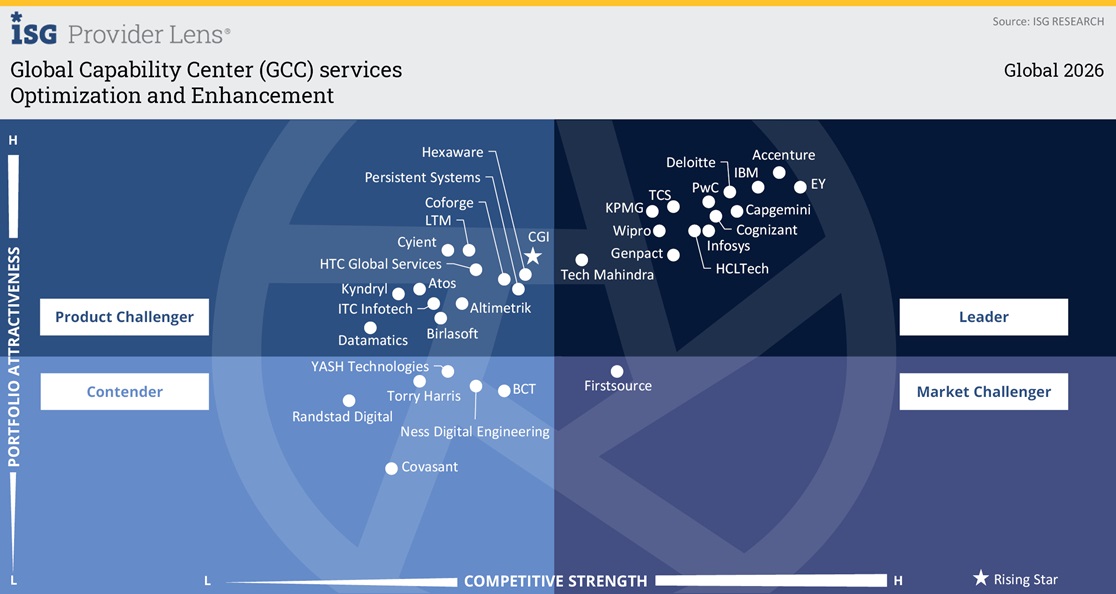
Scaling Corporate Footprints With GCC Frameworks
Boards that govern expansion efficiently focus less on ambition and more on functional coherence. The primary goal of the first year of expansion in 2026 is not growth. It is controllability. The board requires to predict income growth which will fall brief of the positive forecasts that have actually been made.
The assessment process for growth requires immediate evaluation since it becomes essential to evaluate when organizations can not achieve early control presentation. Organizations which use their first year to validate operational readiness will achieve much better results when they choose to speed up their operations. Organizations which try to broaden their operations at their very first growth stage will utilize up all their money while losing their most important time-based resources.
The governance obstacle shows both helpful and destructive components of leadership systems which end up being apparent through this situation. Organizations which adopt structural humbleness and execution discipline and explicit governance design will prosper in their expansion into hard markets. The course to failure for organizations that depend upon optimism and partner relationships, and tradition functional systems will emerge before their financial efficiency needs restorative action.
Management systems do. International Executive Consulting provides its services to CEOs and their boards and financiers who need aid with quick global organization growth. The business utilizes skilled operators to connect its governance system with its leadership company and functional timing which minimizes growth threats while enabling them to pick strategic directions.
A development method includes deliberate decisions that help a service produce and capture worth in time. It concentrates on specifying where to compete, how to assign resources, and which markets or items to focus on. Reliable strategies layer clear objectives, measure progress with KPIs and OKRs, and adjust based upon verified client value hypotheses.
Is Nearshore Growth the Optimal Path for 2026?
Harvard Company School frames growth strategy as structured choices rather than a list of techniques, customized to each company's distinct circumstance. Specifying development strategy indicates deciding where to compete, how to assign resources, and which markets or items to focus on. The Ansoff Matrix, OKRs, and KPI structures are the most commonly used tools for equating that intent into a working plan.
Cultural Sensitivity Training: A Pillar of Effective GCC ManagementGrowth strategy is not a profits target or a marketing plan. Growth technique advancement is the process of recognizing how your company will develop value for clients and capture enough of that worth to fund continued expansion. Harvard Company School teacher Felix Oberholzer-Gee argues that efficient growth strategies detect changes in worth production and the compromises a business should carry out as it scales.
That finding uses equally to personal start-ups: business that define their growth reasoning early develop intensifying benefits that are difficult to replicate. Without a clear growth method, you end up responding to chances rather than choosing them. Response is costly. Choice is lucrative. The Ansoff Matrix is the most useful structure for categorizing organization growth approaches.
How to Optimize GCC Operations in 2026
StrategyDefinitionRisk LevelBest ForMarket PenetrationSell more of existing items to existing customersLowEarly-stage startups with proven product-market fitMarket DevelopmentEnter new markets with existing productsMediumBusinesses with a replicable design all set to broaden geographicallyProduct DevelopmentCreate brand-new items for existing customersMedium-HighCompanies with strong customer relationships and R&D capacityDiversificationNew items for brand-new marketsHighEstablished organizations with capital and risk toleranceStartups generally benefit from starting at the low-risk end of this spectrum.Wells Fargo suggests customizing growth goals to income targets, market share, or customer worth, constantly grounded in your organization objective and danger tolerance. That advice sounds simple, however the majority of founders skip the positioning step and set goals that feel ambitious without linking to the hidden business design. Three unique objective types drive most growth methods: procedure top-line growth.

Latest Posts
How to Coordinate Remote Talent to Growth
Understanding Global Law Shifts On 2026 Strategy
Offshore Vs Nearshore: Analyzing the Best 2026 Approach